Trekking and Nature Trails in Ladakh: A Complete Guide for Trekkers
A blend of ancient wisdom, inner discovery, and breathtaking Himalayan beauty.
Ladakh is not just a destination—it’s a transformative experience. Nestled between the Greater Himalayas and the Karakoram range, Ladakh offers trekkers an unmatched blend of raw natural beauty, cultural depth, and spiritual serenity. Trekking here is a chance to disconnect from the chaos of modern life and reconnect with yourself amidst high-altitude landscapes, clear blue skies, remote villages, and ancient trails.
Every trail in Ladakh tells a story—from the whisper of the winds at 17,000 feet to the quiet hospitality of a mountain homestay. Whether you’re following a traditional trade route, crossing a frozen river, or hiking to a hidden monastery, Ladakh’s trails challenge you physically while enriching you mentally and emotionally.
If you’re looking for an adventure that goes beyond just the views—something that helps you grow, reflect, and breathe deeply—Ladakh is calling.
Top Trekking Routes in Ladakh
Markha Valley Trek
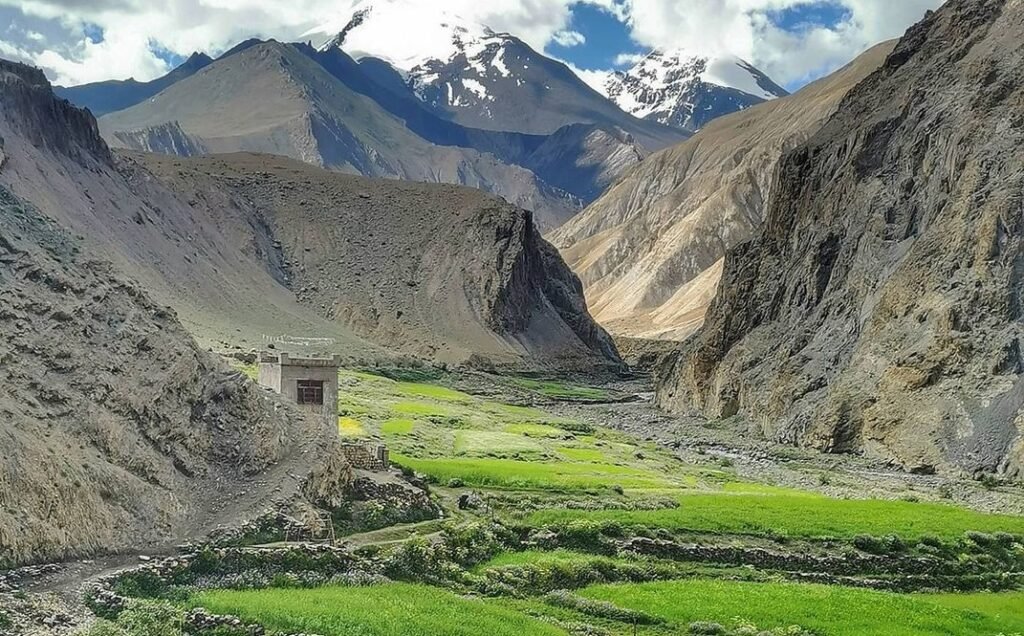
Difficulty: Moderate to Challenging Duration: 6 to 9 days Highlights: Traditional Ladakhi villages, Markha River, Kang Yatse Peak, Hemis National Park Best Time: June to September Ideal for trekkers looking for a blend of cultural immersion and scenic beauty.
Sham Valley Trek
Difficulty: Easy Duration: 2 to 4 days Highlights: Likir, Yangthang, Hemis Shukpachan, homestay experiences Best Time: May to October
Perfect for beginners or acclimatization before attempting tougher treks.
Chadar Trek
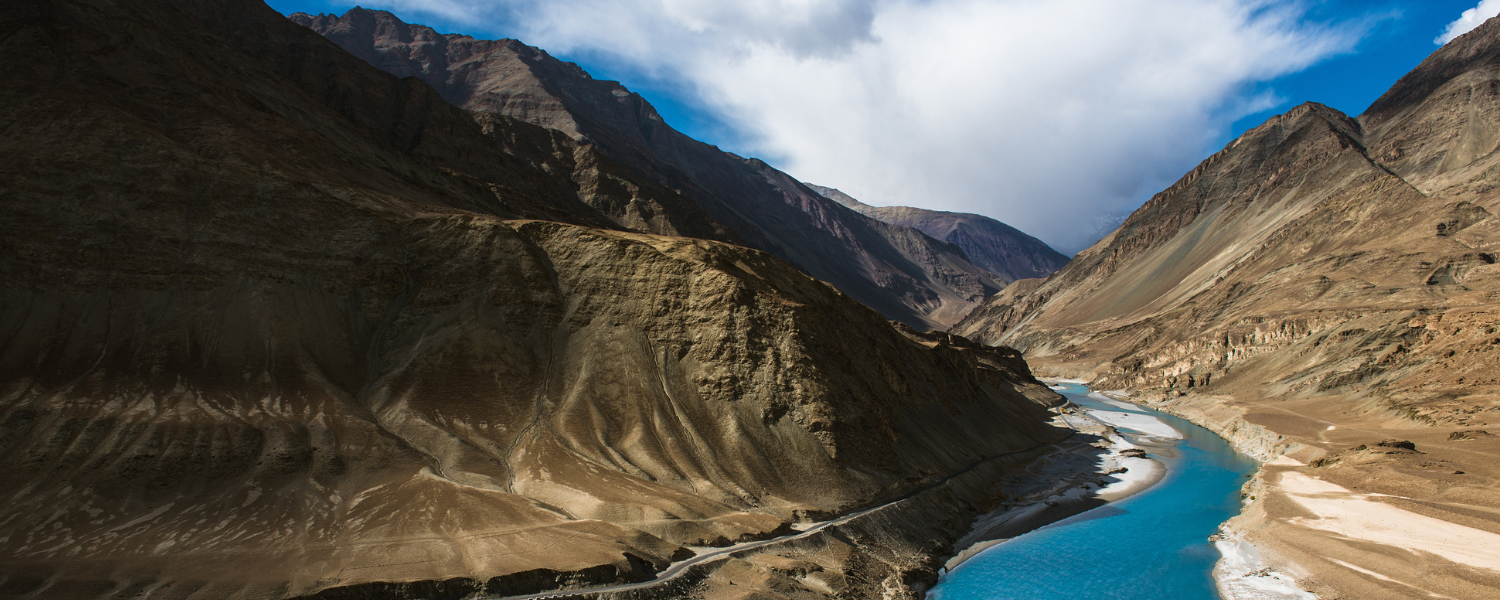
Difficulty: High (Extreme Winter Conditions) Duration: 6 to 9 days Highlights: Trekking on the frozen Zanskar River, ice caves Best Time: Mid-January to Mid-February For experienced trekkers seeking a once-in-a-lifetime winter expedition.
Tso Moriri to Spiti Valley Trek
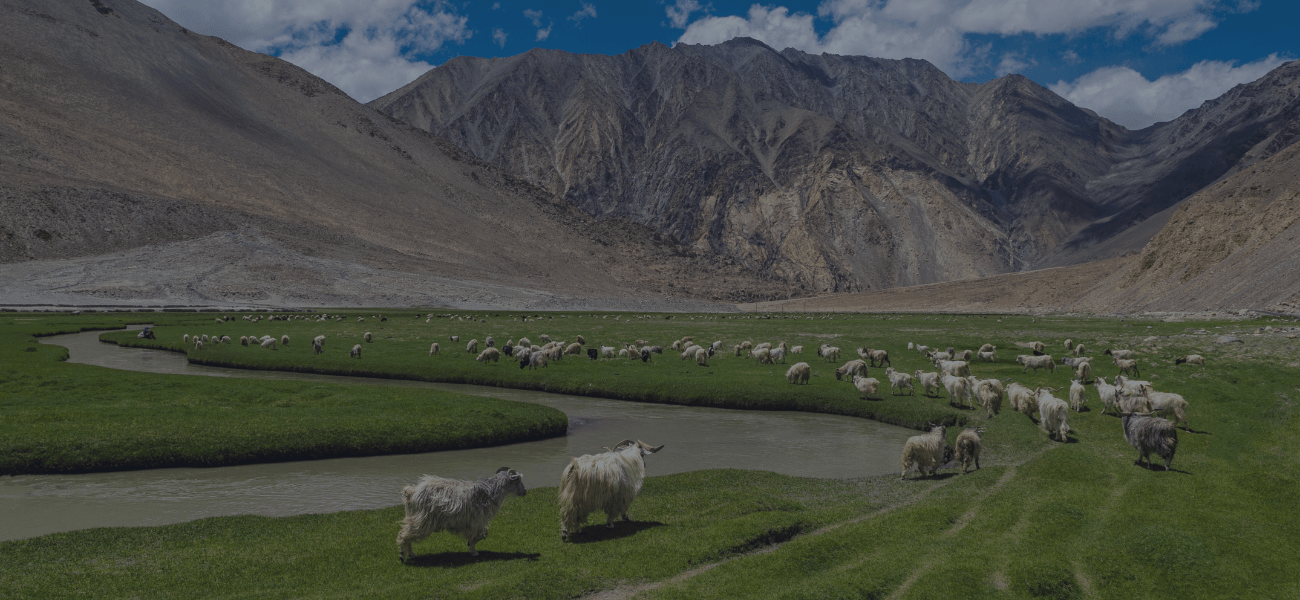
Difficulty: Challenging Duration: 10 to 15 days Highlights: High passes, Changpa nomads, untouched wilderness Best Time: July to September Ideal for explorers who want to trek through some of Ladakh’s most remote areas.
How to Prepare for a Trek in Ladakh
Villages Covered:Chilling → Skiu → Markha → Hankar Duration: 5–7 days (trekking + stays) Type: Moderate trek, community-based tourism Best Time: June to mid-October
Acclimatize Before You Trek
Due to Ladakh’s high-altitude terrain, it’s essential to spend at least 48 hours in Leh before beginning any trek. This helps prevent altitude sickness and gives your body time to adjust.
Get Physically Ready
Start light cardio workouts, uphill walks, or strength training a few weeks before your trek. This will help build the stamina needed for long walking days and steep climbs.
Secure Permits
Many treks in Ladakh, especially those near the border regions, require an Inner Line Permit (ILP). Make sure you apply online or through your trekking agency before starting the journey.
Hire Local Guides and Porters
Traveling with locals ensures you’re safe, supports the local economy, and enriches your experience through cultural storytelling and practical guidance.
Trek Responsibly in Ladakh
Ladakh’s fragile ecosystem and remote communities require trekkers to tread lightly. Respect the land, water sources, and people.
Stick to marked trails to avoid damaging fragile alpine vegetation
Avoid plastic; carry reusable water bottles and containers
Do not wash or dispose of waste in rivers or lakes
Camp only in permitted areas and follow Leave No Trace principles
Dress modestly and respect local customs and traditions
What to Do During a Trek
Drink water frequently, even if you don’t feel thirsty
Eat small meals or energy snacks to maintain your strength
Take regular breaks to rest and enjoy the views
Follow your guide’s instructions, especially in unpredictable terrain
Be open-minded, flexible, and respectful to local communities
What Not to Do While Trekking
Do not ignore symptoms like headache, nausea, or dizziness—they may indicate Acute Mountain Sickness (AMS)
Avoid trekking alone unless you’re experienced and well-prepared
Don’t litter—carry all waste with you until proper disposal is possible
Don’t disturb wildlife or approach animals for photographs
Avoid making loud noises or playing music in serene areas
Trekking Packing Checklist
Here are the essential items to pack for a trek in Ladakh:
The optimal trekking season in Ladakh runs from May to September, when the weather is relatively stable and mountain passes are accessible. For winter treks like the Chadar Trek, plan your visit in January or February, when the river is completely frozen.
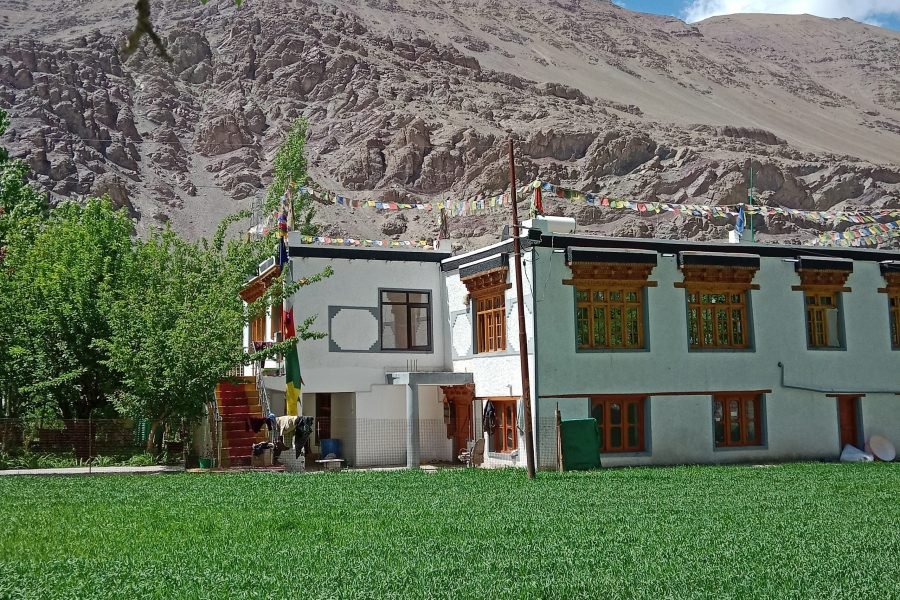
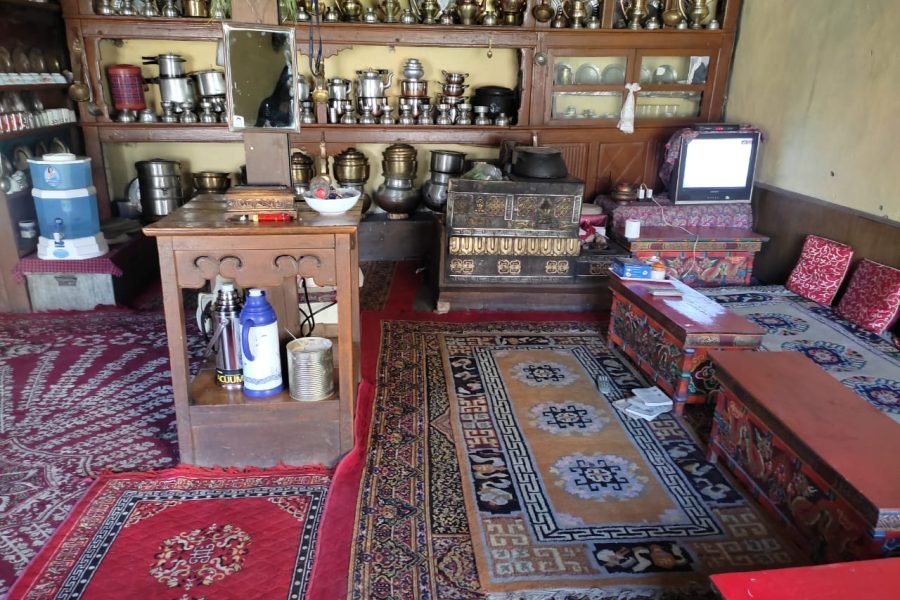
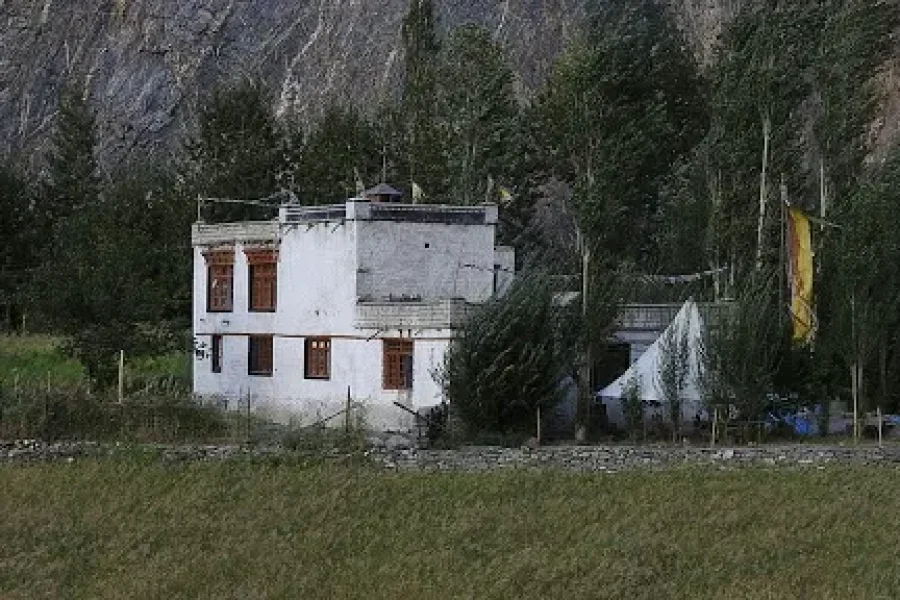
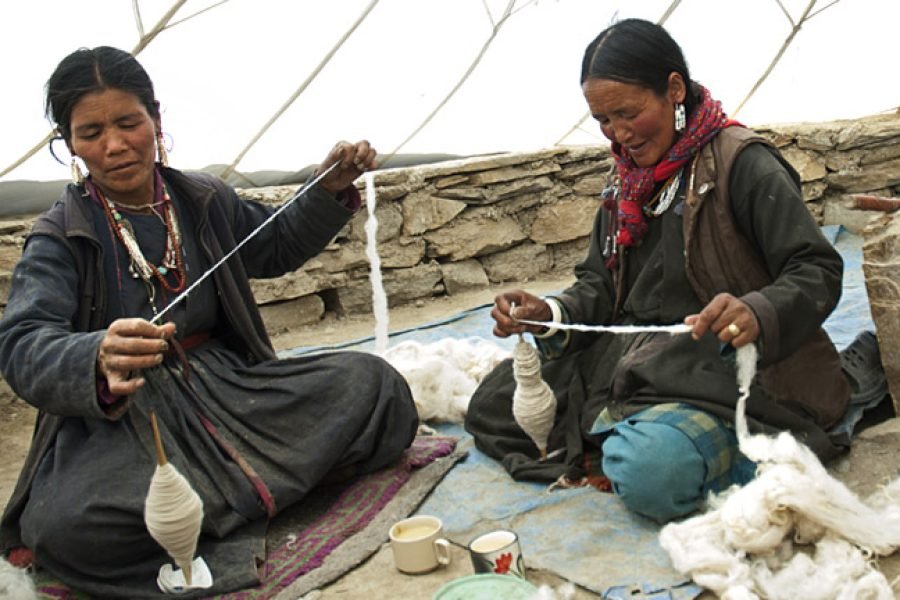
Expect mud-brick homes, simple bedding, local dishes like thukpa and skyu, and stories around the hearth. Most homes are run by women-led SHGs, offering fair wages and preserving traditional cooking and architecture.
Experience the heart of Leh by staying with local families. Immerse yourself in Ladakhi culture, traditions, and warm hospitality. Book your homestay and explore the region like never before.
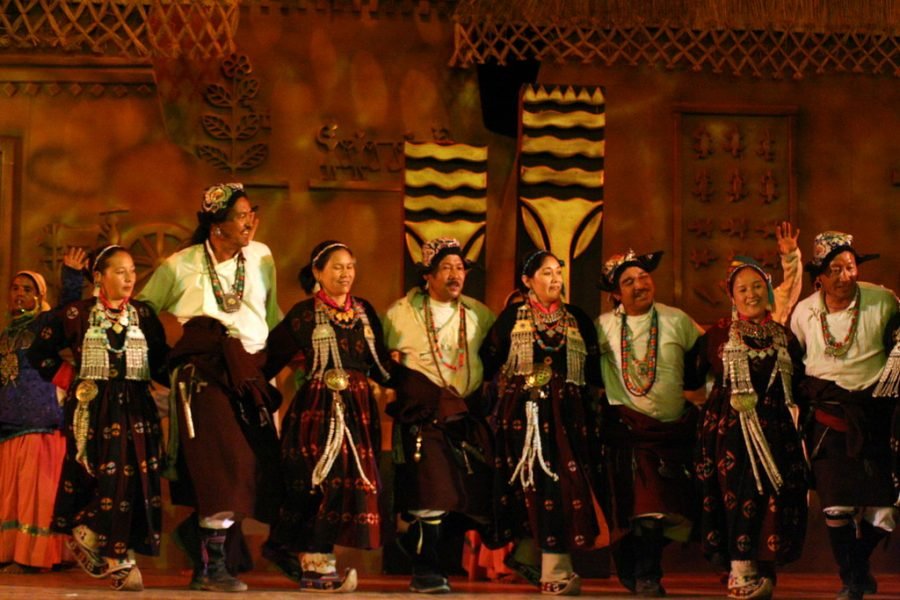
From pottery workshops to Ladakhi cooking sessions, uncover the authentic experiences that Leh offers. Dive into the local culture with hands-on activities that will leave lasting memories.
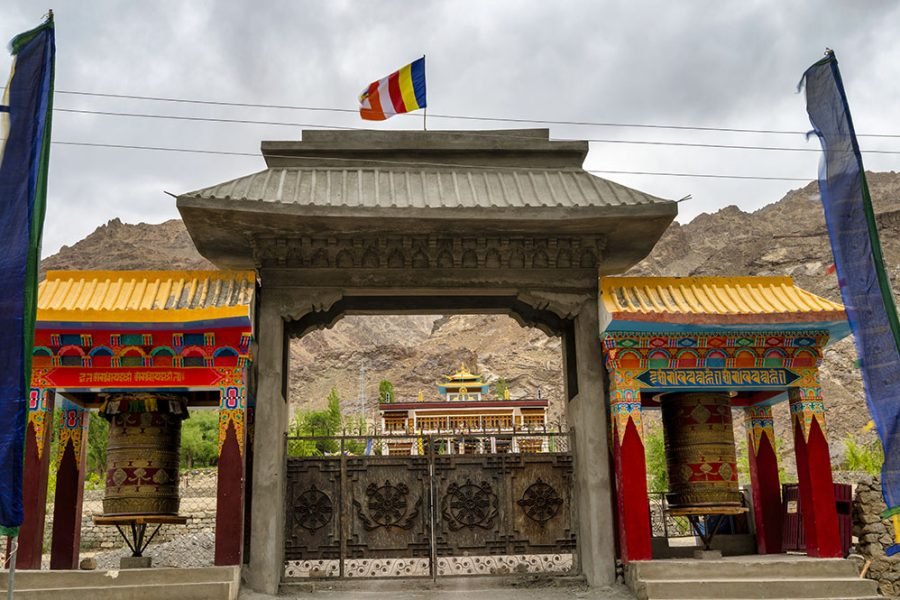
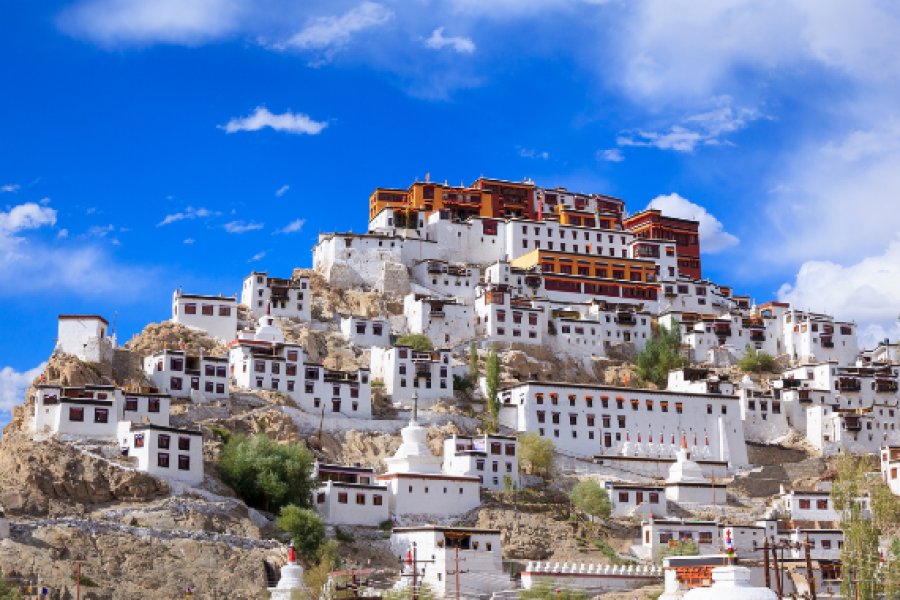
Leh is home to some of the most stunning and serene monasteries in the world. Visit these sacred sites, learn about their rich history, and experience the spiritual calm of Ladakh.