Agricultural and Rural Experiences in Ladakh: A Journey into Slow Living and Indigenous Wisdom
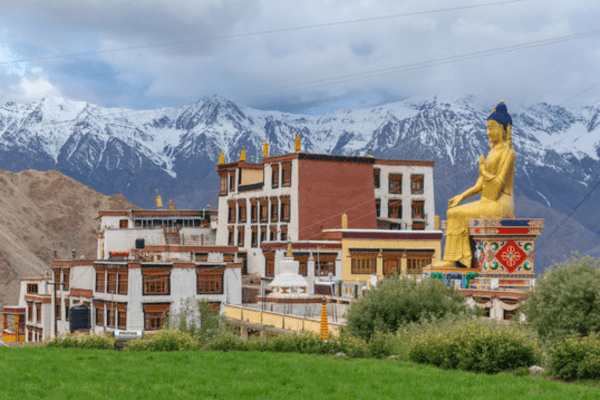
When travelers think of Ladakh, images of snow-capped peaks, dramatic landscapes, and spiritual monasteries come to mind. But beyond its natural beauty lies a world deeply rooted in traditional knowledge and sustainable living — the agrarian heart of Ladakh. For those looking to go beyond sightseeing, rural and farm-based experiences offer an authentic window into Ladakh’s way of life.
Why Explore Rural Ladakh?
The villages of Ladakh are more than just scenic. They are living repositories of time-tested wisdom, resilient agricultural practices, and a harmonious relationship with nature. Unlike commercial tourism circuits, agricultural and rural experiences allow you to immerse in Ladakh’s culture while contributing directly to local livelihoods.
Whether you’re curious about traditional farming techniques, want to live with Ladakhi families, or learn about seed-saving practices in high-altitude deserts, these experiences are both grounding and enlightening.
What to Expect from a Rural Stay in Ladakh
Villages Covered:Chilling → Skiu → Markha → Hankar Duration: 5–7 days (trekking + stays) Type: Moderate trek, community-based tourism Best Time: June to mid-October
1. Seasonal Agricultural Activities
Depending on the time of your visit, you may witness or participate in:
Spring (April–May): Sowing of barley, wheat, and peas. Villagers begin preparing the fields using traditional tools and often collectively help each other.
Summer (June–August): Peak of the farming season. Learn traditional irrigation through yuras (canals), participate in weeding or harvesting vegetables.
Autumn (September–October): Harvest season — a joyous time when families gather to cut, thresh, and store grains.
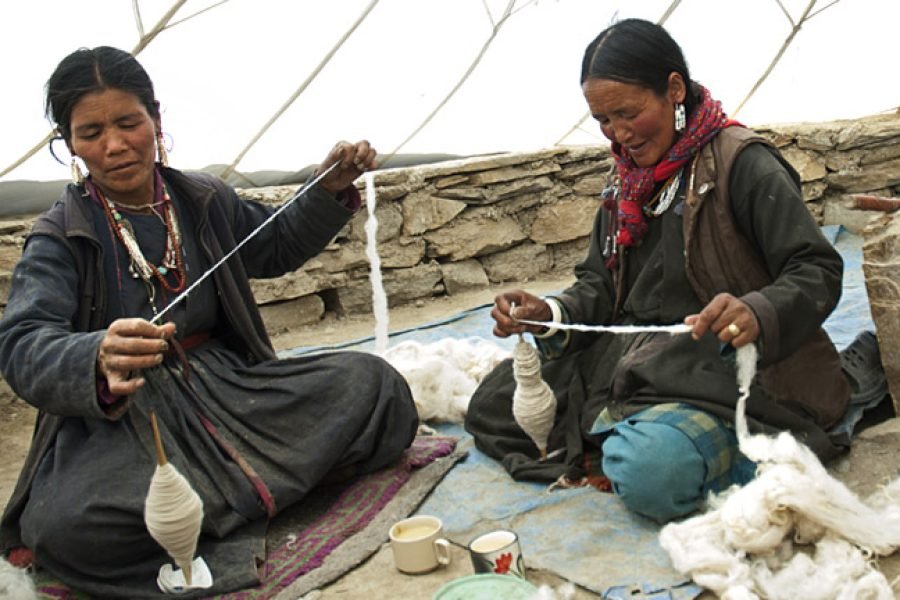
Winter (November–March): A slower pace, ideal for storytelling, learning traditional crafts, and helping in food preservation like drying apricots, turnips, and yak cheese.
2. Home-Stays with Farming Families
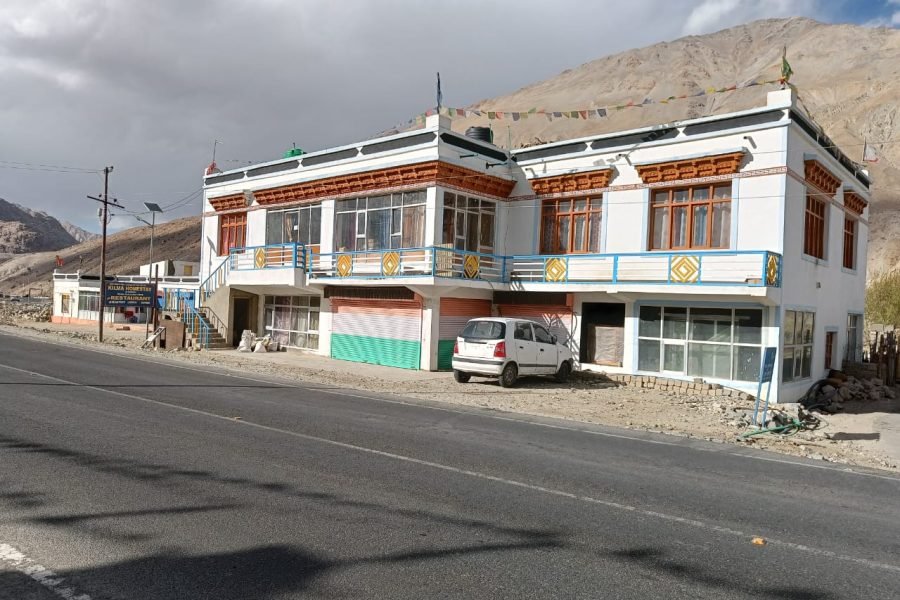
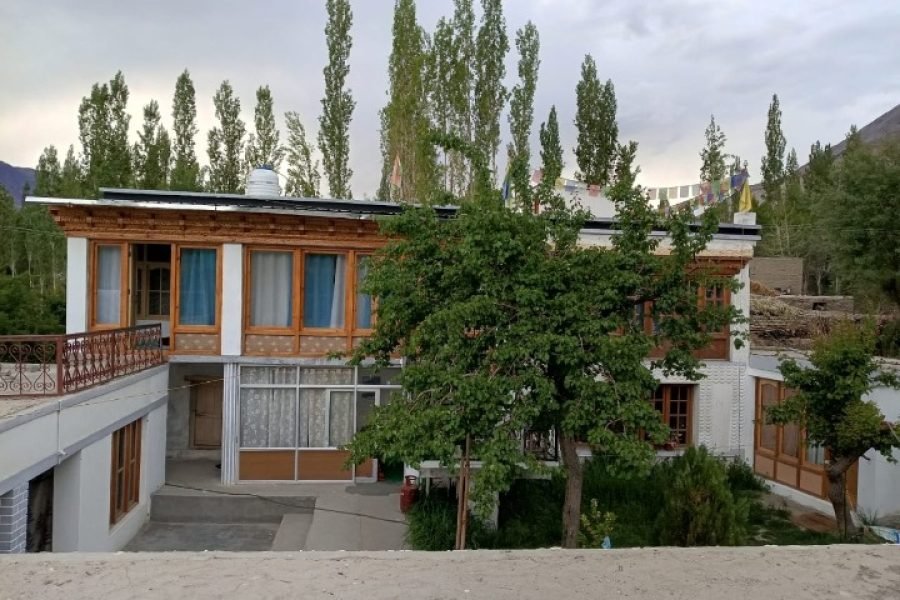
Live in traditional mud-brick Ladakhi homes with local families. You’ll be welcomed with:
Traditional Ladakhi food made from locally grown produce.
Evenings around the bukhari (wood stove) filled with folklore and songs.
Participation in day-to-day chores like feeding cattle or fetching water.
3. Local Knowledge and Workshops
Many villages now offer curated experiences for visitors:
Seed Saving Workshops: Learn how farmers preserve heirloom barley, black peas, and mustard seeds.
Traditional Food Making: Try your hand at making skyu, paba, or tsampa with local women.
Composting & Natural Fertilizers: Discover how Ladakhis maintain soil fertility without chemical inputs.
Top Villages for Agricultural and Rural Experiences
1. Takmachik (Sham Valley)
A model eco-village known for organic farming and zero-waste practices. Visitors can stay with farmers, learn traditional food preservation, and explore the shift towards sustainable tourism.
2. Gya-Miru Village
Located near Hemis National Park, these villages offer access to barley farming, medicinal plants, and pastoral lifestyles. Excellent for quiet, slow-travel experiences.
3. Likir & Hemis Shukpachan
These villages blend traditional farming with Buddhist spirituality. Participate in farming during the day and meditate at hilltop monasteries in the evening.
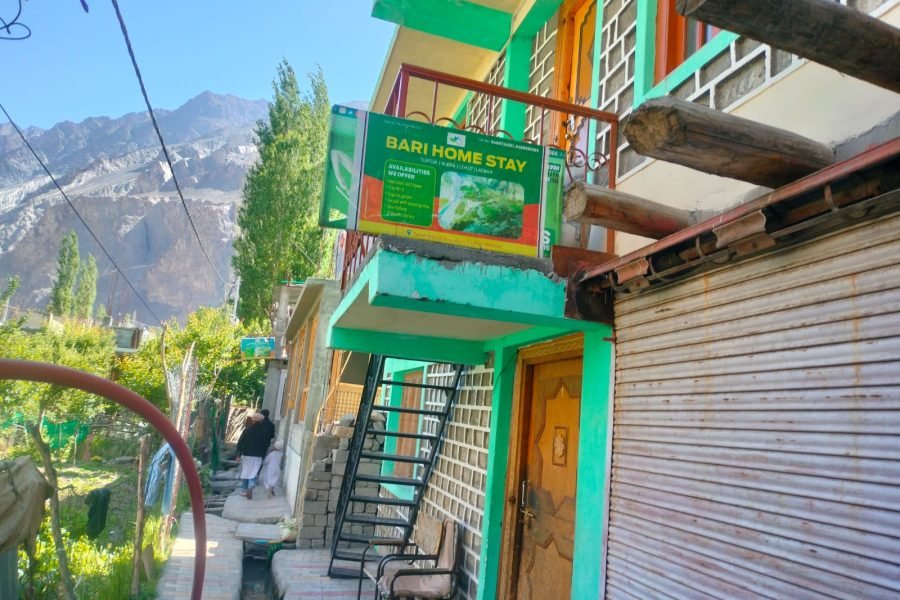
4. Turtuk (Nubra Valley)
Closer to the Pakistan border, Turtuk offers apricot farming experiences, ancient grain varieties, and insights into Balti culture. The village’s climate supports a unique agricultural system in Ladakh.
Responsible Travel Tips
Dress Modestly: Rural Ladakh is conservative. Respect local norms, especially around elders and women.
Be Humble: Don’t treat villagers as subjects of curiosity. Engage in two-way learning.
Buy Local: Support women-led cooperatives selling jams, dried fruits, or handmade bags.
Travel Plastic-Free: Carry reusable water bottles, avoid packaged goods, and participate in local waste management efforts.
Best Time to Visit for Agri Experiences
May to October is ideal for agricultural activities.
July and August are peak farming months.
Winter (December to March) is best for cultural exchanges, weaving, storytelling, and village walks.
Expect mud-brick homes, simple bedding, local dishes like thukpa and skyu, and stories around the hearth. Most homes are run by women-led SHGs, offering fair wages and preserving traditional cooking and architecture.
In a world chasing speed, Ladakh’s rural life teaches the art of living with nature — one sowing, one harvest, and one shared meal at a time. For travelers seeking meaning, agricultural and rural experiences are not just holidays — they’re lessons in resilience, harmony, and rootedness.
Experience the heart of Leh by staying with local families. Immerse yourself in Ladakhi culture, traditions, and warm hospitality. Book your homestay and explore the region like never before.
From pottery workshops to Ladakhi cooking sessions, uncover the authentic experiences that Leh offers. Dive into the local culture with hands-on activities that will leave lasting memories.
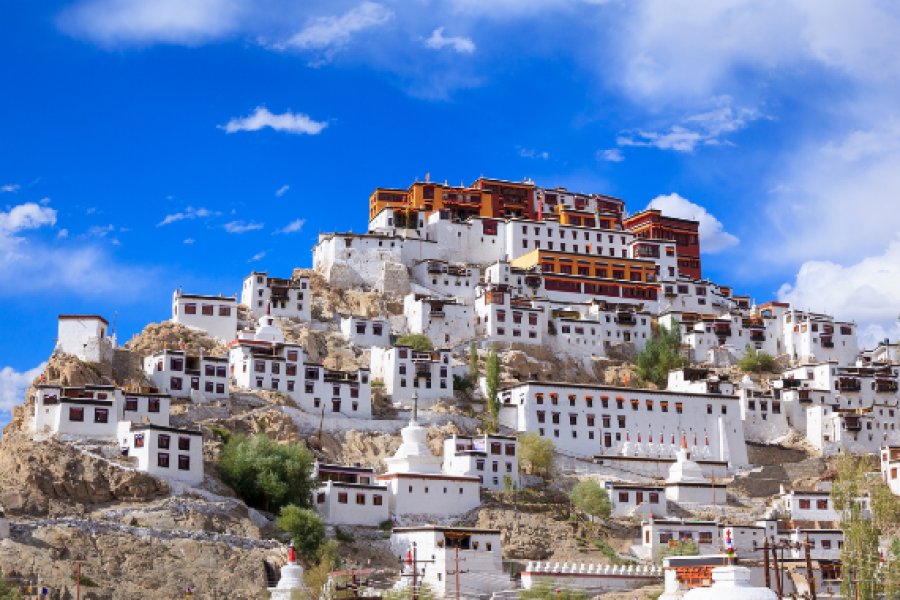
Leh is home to some of the most stunning and serene monasteries in the world. Visit these sacred sites, learn about their rich history, and experience the spiritual calm of Ladakh.